Guides · 5 min read
Facial Sagging: Non-Invasive Options and When You Need Something Else
By Marta Fernández · Updated
“My face looks like it’s dropping” is one of the things we hear most often in the treatment room. Behind it can lie very different things: thinner, less smooth skin, a jawline that’s starting to blur, folds that weren’t there before or excess skin on the neck. Not all of these are tackled the same way, and the first useful question isn’t “which treatment should I have?” but “what’s actually happening to my skin?”
What facial sagging is
Over the years, skin loses some of its supporting structure and elasticity, and it does so sooner and faster with a lot of sun exposure, smoking or sudden changes in weight. At the same time, the volumes of fat and bone that support the face change. The result is a mix: less smooth skin, less defined contours and, at later stages, tissue that descends.
This distinction matters because non-invasive beauty treatments act mainly on the quality of the skin, not on volume or excess skin. That’s why they can do a great deal at an early stage and far less when the issue is structural.
How to tell where you are
There’s a simple check you can do, with no pretence of being a diagnosis. Look at yourself straight on in good natural light and notice three things:
- Texture. Does your skin look less smooth, with more visible pores or fine lines when you smile?
- Jawline. Is the line of your jaw still crisp, or is it starting to blur?
- Volume and excess skin. Can you see deep folds, flatter cheeks or skin hanging under your chin?
If you recognise yourself mainly in the first two, beauty treatments have a lot to offer you. If you recognise yourself in the third, the honest answer is that beauty treatments will improve the quality of your skin, but not that change in shape. The table on this page sums up each case.
Non-invasive options that do make sense
Radiofrequency facial
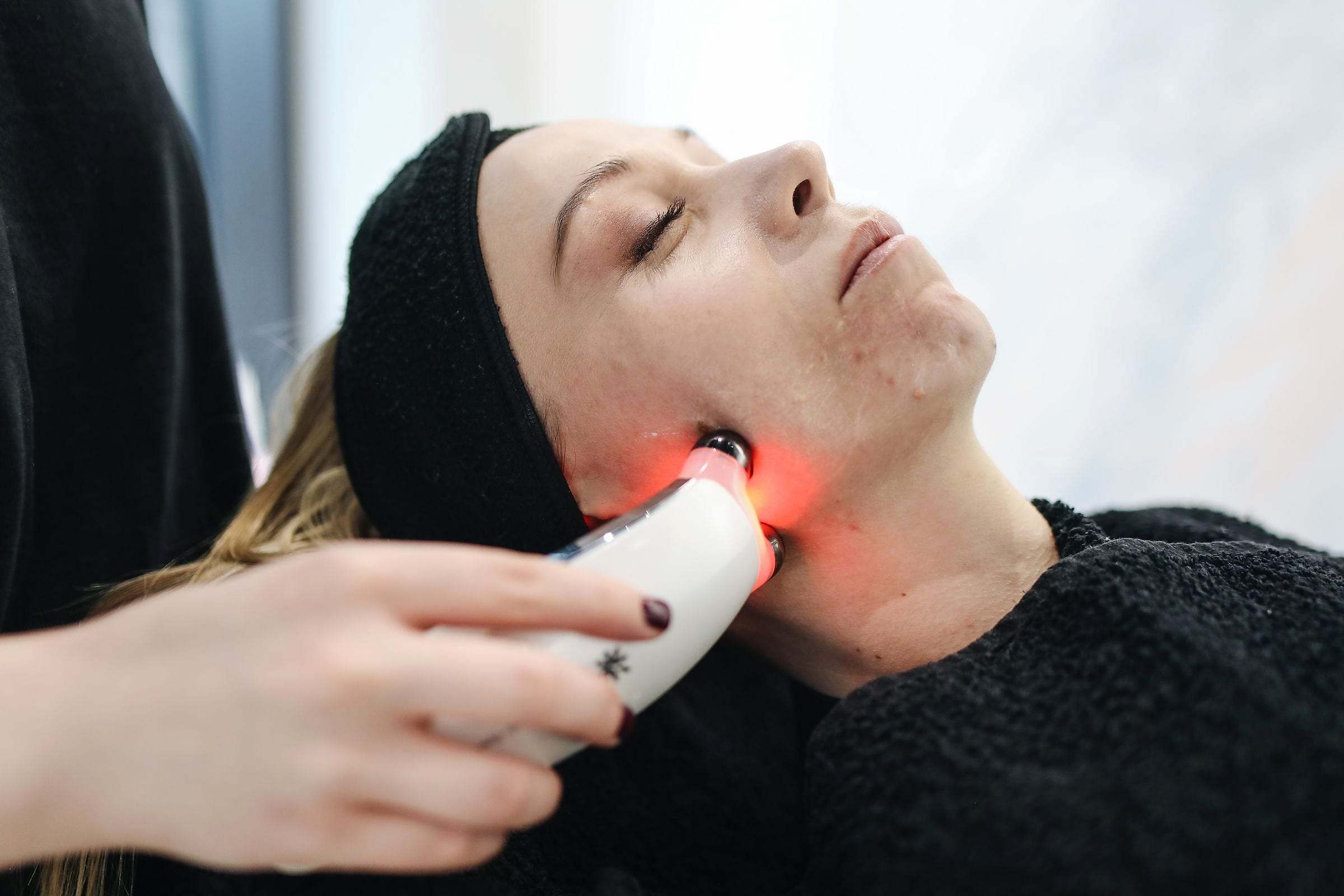
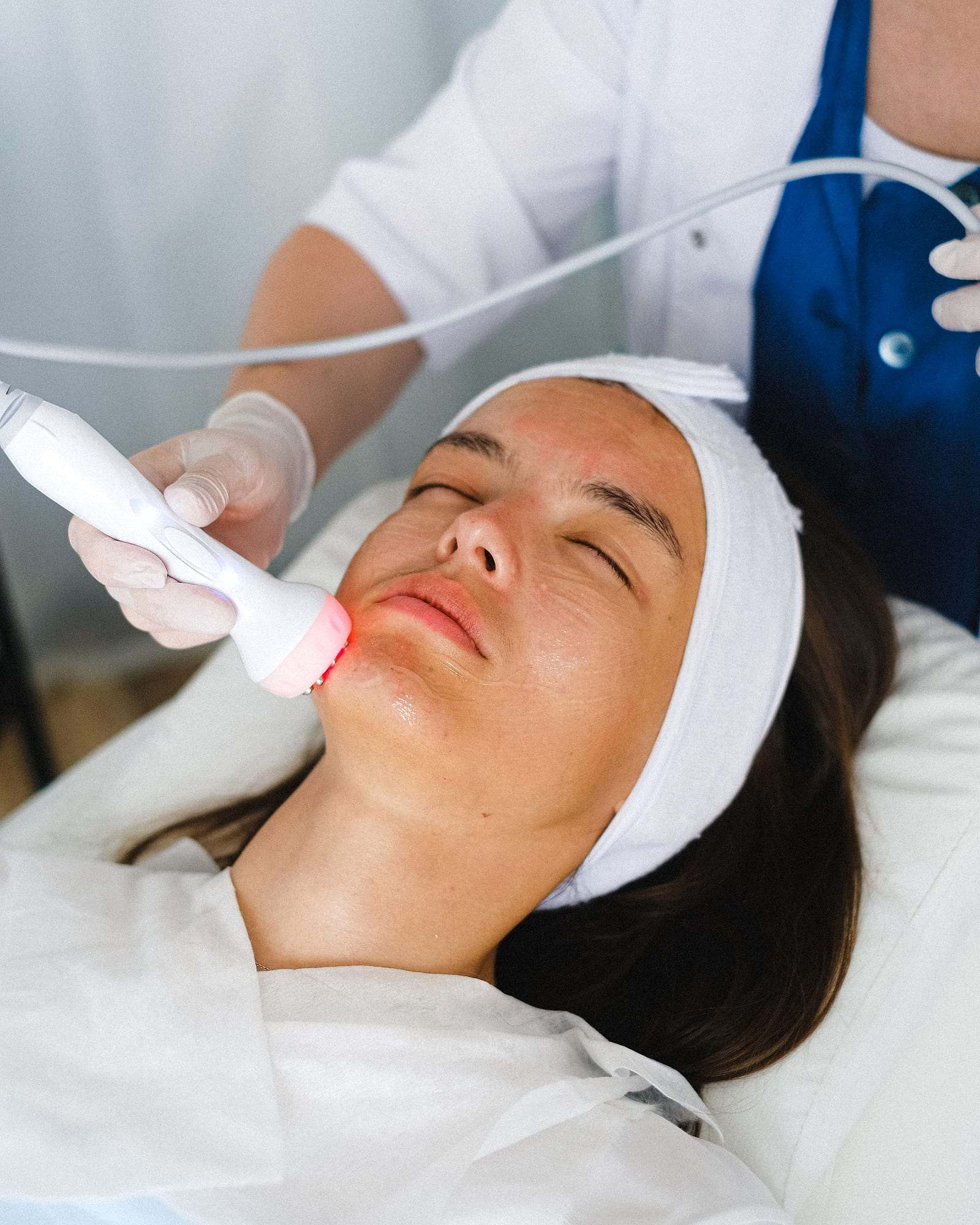
It gently heats the layers of the skin in a controlled way to support its natural firming response. It’s the most firmness-focused option among non-invasive beauty treatments, works cumulatively and calls for a course of sessions plus maintenance. There’s no downtime. You’ll find all the details in our guide on what radiofrequency can and can’t do.
Firming facials with beauty devices
These are multi-stage sessions combining cleansing, exfoliation, beauty devices, massage and sometimes cold. Their strong point is the immediate tightening effect and more rested look, which is very useful before an event, and with consistency they help the skin look firmer between sessions.
Facial massage
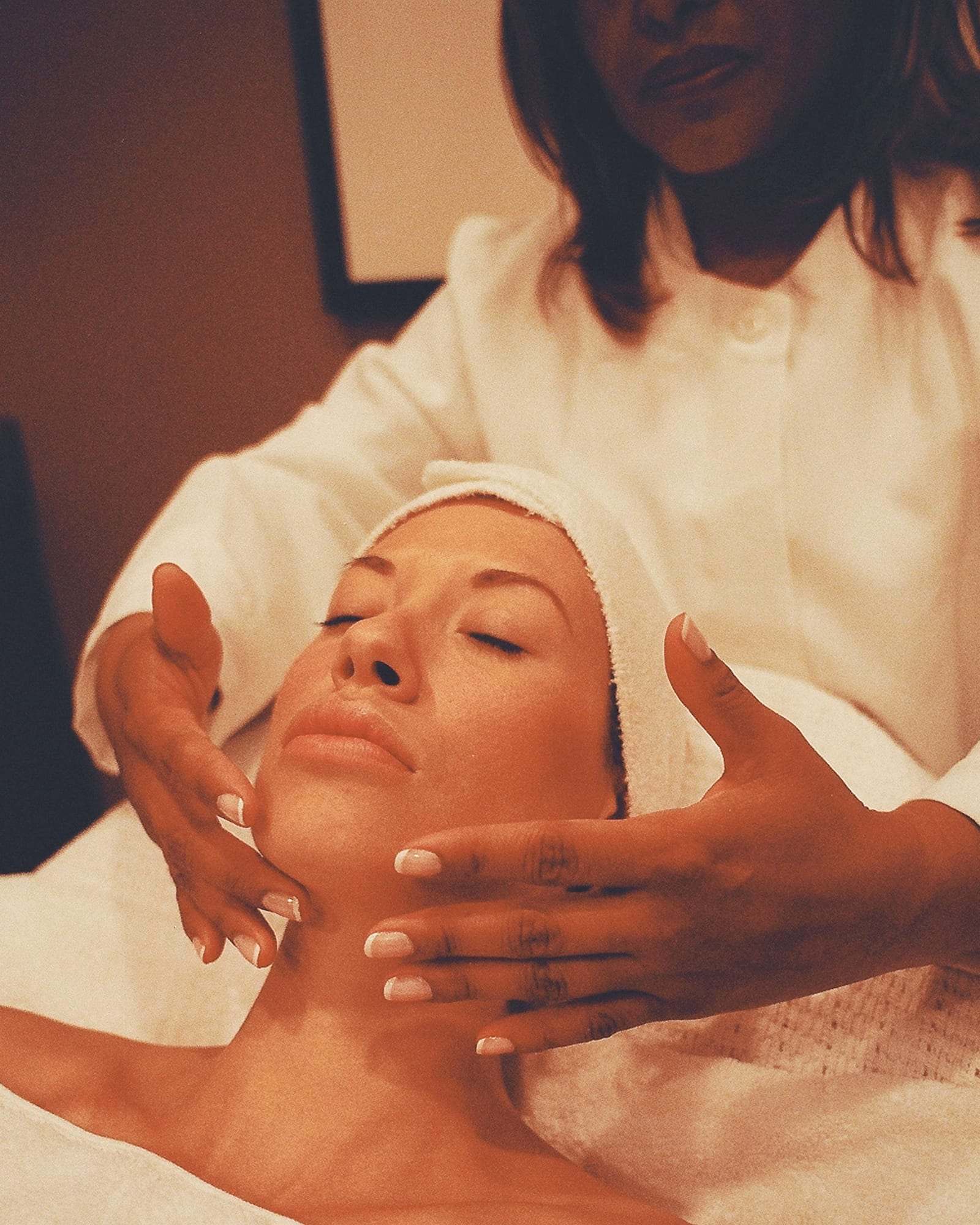
A good facial massage, such as Japanese Kobido, relaxes the expression muscles, livens up the look of the skin and leaves a temporary tightening effect. It doesn’t change the structure of the skin, but it offers something devices don’t: a chance to switch off. It works very well for maintenance.
Texture treatments
Cosmetic microneedling and peels aren’t designed for firmness, but they improve texture and evenness, which is a big part of how “firm” skin looks. They’re often combined with the options above.
What you do at home
None of these techniques makes up for skipping daily sunscreen. A simple routine (cleanse, moisturise, protect) and habits such as not smoking have a bigger effect on how your skin looks than any single session.
When you need medical aesthetics or surgery
There are situations in which investing in beauty sessions doesn’t make sense as the main solution:
- Volume loss, with flatter cheeks or deep nose-to-mouth lines. Fillers are a medical treatment.
- Very pronounced expression lines on the forehead or between the brows, if you want to soften them noticeably. Injectables are medical aesthetics.
- Excess skin and clear drooping on the neck, under the chin or on the eyelids. This is where surgery, or technologies used in a medical setting, come in.
That doesn’t mean beauty treatments have nothing to offer in these cases: they can look after skin quality, help maintain results or support your routine. But they won’t solve the change in shape, and it’s better to know that up front. If you’d like to understand the difference between the two worlds properly, read our guide on beauty salons and medical aesthetics.
How to put together a realistic plan
A sensible plan for early sagging usually has three layers: a main technique booked as a course (such as radiofrequency or a firming facial), a wellbeing or texture add-on to suit your skin, and a daily routine with sunscreen. After that, maintenance every so often.
In a city with as much sunshine as Málaga, sun protection deserves a special mention. The sun is one of the factors that most speeds up the loss of firmness, and it does so in winter too, and on short walks around the city centre. A broad-spectrum sunscreen every morning, reapplied if you spend time outdoors, protects the investment you make in the treatment room. Warmth-based techniques such as radiofrequency can be done all year round; those that exfoliate the surface are best scheduled for the less sunny months.
Be wary of anyone promising the same results for everyone, exact timescales or surgical results without surgery. Results vary according to each person, their age, their skin and their habits. What we can offer you is a frank assessment and photo-based follow-up so you can see your progress with your own eyes.
At Narumi
At Narumi, in Málaga city centre, we work on early and mild sagging with three options. The radiofrequency facial, which we call Biolifting, is the foundation for those who want consistency. The Bellaction Duo facial is a complete firming session, with a tightening effect and no needles or injectables. And Kobido, a hands-only Japanese facial massage, brings relaxation and radiance. If your skin also needs help with texture, Dermapen can round off the plan. Marta Fernández will tell you at your assessment whether your case is one for beauty treatments or whether a medical consultation would suit you better.
| What you see in the mirror | What beauty treatments can do | When to consider something else |
|---|---|---|
| Less smooth skin, more visible pores, jawline still defined | A lot: radiofrequency, firming facials, massage and a good routine | Rarely |
| Jawline slightly less crisp, first lines becoming noticeable | Quite a lot, with courses and maintenance | If you want a quick or very visible change |
| Deep folds and volume loss in the cheeks | Little: it improves skin quality, not volume | A medical aesthetics assessment |
| Excess skin on the neck or under the chin, clear drooping | Very little | A medical or surgical assessment |
Frequently asked questions
Can you restore firmness to your face without surgery?
You can improve the look of firmness when sagging is early or mild, with consistent beauty treatments and a good routine. What you can't do without surgery is remove excess skin or reposition tissue that has dropped significantly. The sooner you start caring for your skin, the more beauty treatments have to work with.
What's better for sagging: radiofrequency or massage?
They do different things. Radiofrequency works with warmth, as a course, and is designed for the look of firmness. A facial massage such as Kobido relaxes your expression, adds radiance and leaves a temporary tightening effect. Many people combine them: radiofrequency as the foundation and massage for maintenance and wellbeing.
Does face yoga help with sagging?
It can make you more aware of your expression and help relax tense areas, but don't expect it to tighten your skin. If you practise it, do so gently and without pulling the skin. As an extra, fine; as the only solution, no.
When should I go to a medical aesthetics practice rather than a beauty salon?
When your concern is volume loss, deep folds, excess skin or clear drooping, or when you want faster, more intense results. An honest beauty salon assessment will tell you so. A beauty salon doesn't administer injectables or carry out medical techniques.
Do firming creams work?
A good cream improves hydration and texture, which makes skin look smoother. It doesn't change the structure of the skin or replace a treatment. The product with the greatest long-term impact is still a daily sunscreen.