
Skip to content

Beauty and skincare guides from our Málaga salon

Straightforward answers to the questions we hear most in the treatment room: how many sessions you'll need, which technique to choose, how to care for your skin before and after, and what advanced aesthetics can and can't do.

Bamboo leaf against a white background
  • Hydrating under-eye patches next to a sprig of baby’s breath on a pink background

    Guides

    Eye Bags and Dark Circles: What an Eye Contour Treatment Can (and Can't) Improve

    A cosmetic eye contour treatment can improve hydration, texture, the look of fine lines and a tired appearance, and help with puffiness caused by fluid retention. It doesn't work on vascular (bluish) or structural (hollow) dark circles, or on fat-related eye bags, which are medical or surgical territory. Knowing which type of dark circle you have is the first step to avoid spending money on something that won't work for you.
  • Three serum dropper bottles on light linen in natural light

    Guides

    Skin care before and after a chemical peel

    Before a superficial chemical peel, avoid the sun and tanning, and pause retinol, acids and scrubs for a few days. Afterwards, use a gentle cleanser, a simple moisturiser and high-factor sunscreen every day; don't pick at any flaking skin, and avoid saunas, pools and intense exercise for a few days. Sun protection is the most important part: without it, treated skin is more prone to pigmentation, which matters all the more under the Málaga sun.

  • Three hands with different skin tones resting against a white wall

    Guides

    Diode laser hair removal: how many sessions, your skin type and aftercare

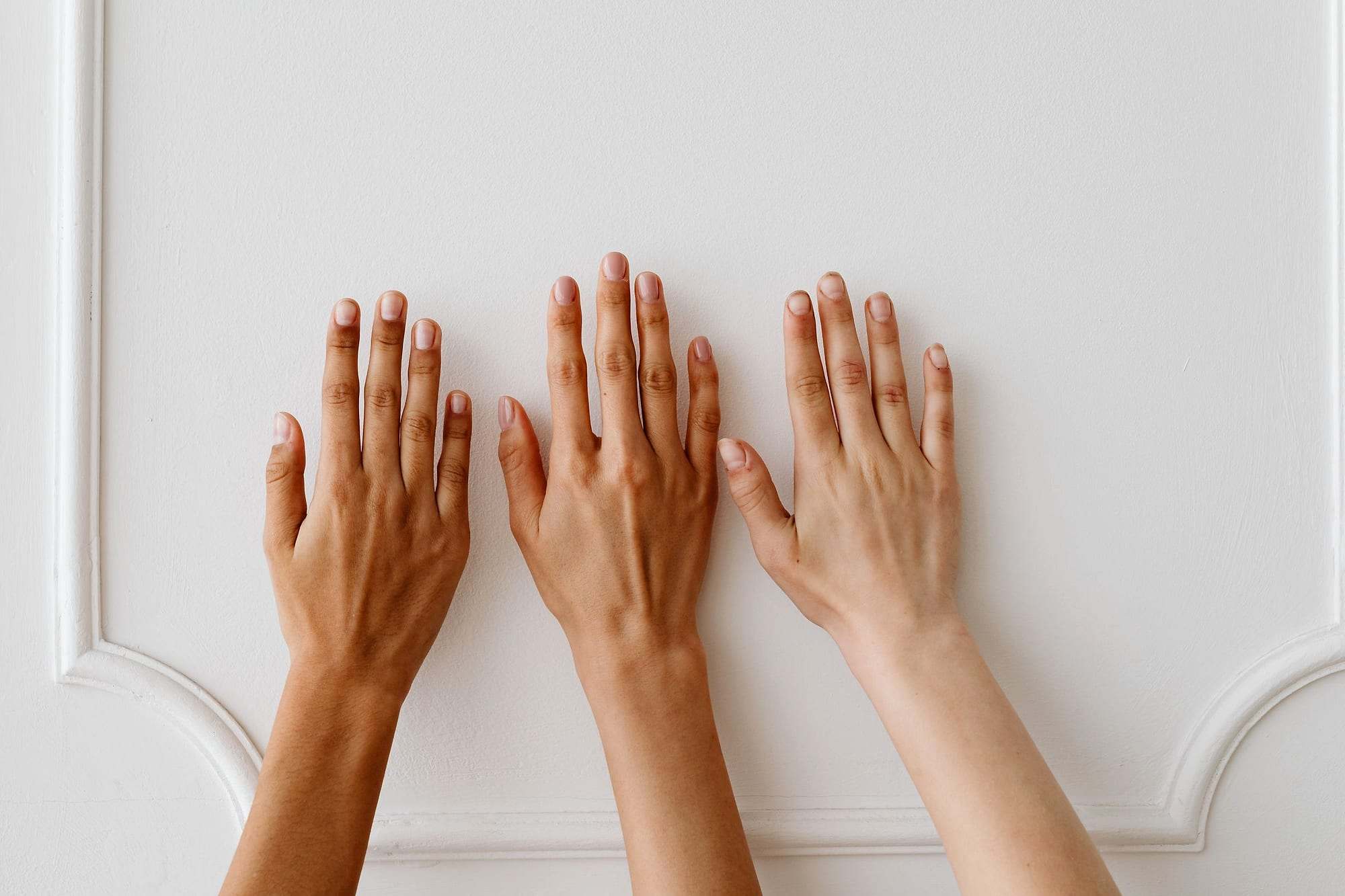
    Diode laser hair removal usually takes 6 to 10 sessions, spaced 4 to 10 weeks apart depending on the area, because it only works on hair in its growth phase. Results depend mainly on your skin type (how your skin reacts to the sun) and on the colour and thickness of your hair: dark hair responds well, while white, grey or very blonde hair barely responds. Avoiding sun, waxing and photosensitising products makes all the difference.

  • Straw hat, sunglasses and sunscreen on a white towel at the beach

    Guides

    Laser hair removal in summer: planning around the Málaga sun

    Yes, you can have laser hair removal in summer, but only on untanned skin and avoiding direct sun for 15 days before and after each session. In Málaga, with strong sun for many months, the practical approach is to start in autumn, make progress through winter and spring and, in summer, keep up the covered areas (bikini line, underarms) while pausing or spacing out the exposed ones (legs, arms, face, back).

  • Pipette releasing a drop of lilac cosmetic gel onto a white surface

    Guides

    Dermapen: how many sessions you need and how to care for your skin

    Cosmetic Dermapen is usually planned as a course of 3 to 6 sessions, 4–6 weeks apart: fewer for radiance and pores, more for superficial marks left by old spots. After each session, skin stays pink for 24–48 hours and may feel slightly rough for a few days. The key aftercare steps are gentle cleansing, no make-up on the first day, no strong actives for a week and consistent sun protection.

  • Two serum dropper bottles, one amber and one golden, on a light background

    Comparison

    Dermapen or chemical peel: which is right for your skin?

    If your main concern is dull or uneven tone and a lack of radiance, a superficial chemical peel is usually the better fit. If it's texture, enlarged pores or superficial marks from old spots, Dermapen is usually more suitable. A peel works on the surface with acids; Dermapen creates superficial micro-channels that help cosmetic actives absorb. Often, the most sensible approach is to combine them in separate sessions.

  • Folded white towels with white skincare containers in a minimalist composition

    Comparison

    Advanced beauty salon vs medical aesthetics clinic: the differences and how to choose in Málaga

    An advanced beauty salon works with non-invasive aesthetic devices and hands-on techniques, such as laser hair removal, radiofrequency or Kobido, and is run by beauty professionals. A medical aesthetics clinic is a licensed healthcare facility where a doctor diagnoses, prescribes and carries out medical procedures such as injectables or ablative lasers. Narumi, in Málaga city centre, is a beauty salon: it doesn't offer medical aesthetics and refers you to a doctor when appropriate.

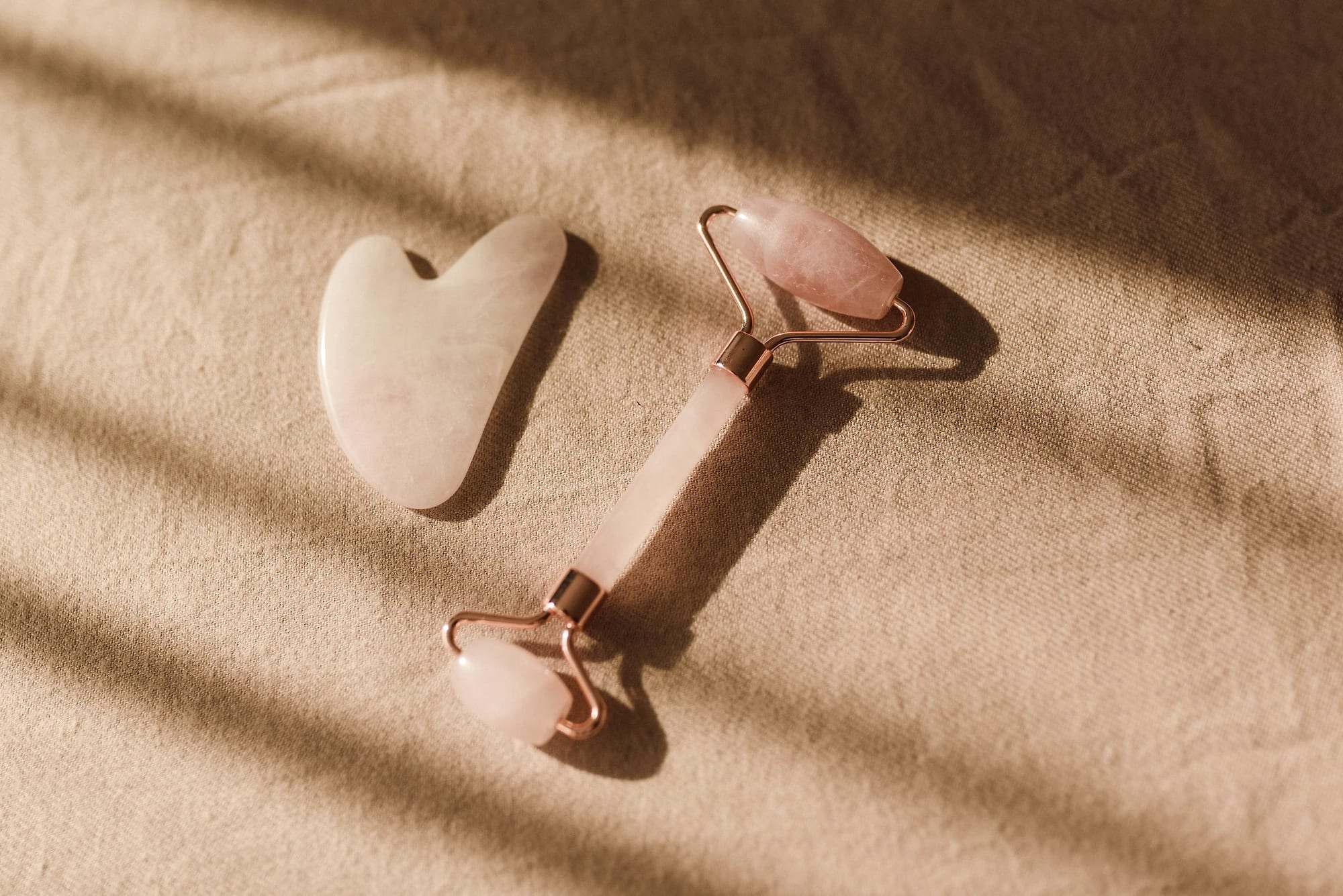
  • Rose quartz facial roller and gua sha stone on beige fabric in soft light

    Guides

    Facial Sagging: Non-Invasive Options and When You Need Something Else

    For early or mild facial sagging, non-invasive beauty treatments can improve the look of firmness with techniques such as radiofrequency, firming facials with beauty devices and facial massage, always with consistency and daily sunscreen. If there's excess skin, marked drooping or volume loss, no beauty treatment will fix it: that's the territory of medical aesthetics or surgery, and it's worth knowing before you invest in sessions.

  • Daisies floating on rippling water with reflections over a pale towel

    Comparison

    Hydrotherapy facial or classic deep cleansing facial: differences and which to choose

    A classic deep cleansing facial uses exfoliation, steam and manual extractions, and is the most effective option for clearing stubborn blackheads. A hydrotherapy facial cleanses, exfoliates and hydrates with water and cosmetic actives using gentle suction, without manual extractions, leaving skin plump with little or no redness. If blackheads are your priority, choose the classic facial; if your skin is sensitive or dehydrated, or you have an event coming up, the hydrotherapy facial.

  • Matcha tea bowl, bamboo whisk and spoon with matcha powder on a white background

    Guides

    What Is Kobido? The Japanese Facial Massage and What to Expect

    Kobido is a facial massage from the Japanese tradition, rooted in anma, that combines quick rhythmic movements, gentle pressure and drainage strokes over the face, neck and décolletage. It's nicknamed the "Japanese facelift" because of the tightening effect you leave with, but it isn't a facelift: it leaves your face relaxed, your skin brighter and your features looking more toned, and it's best enjoyed regularly.

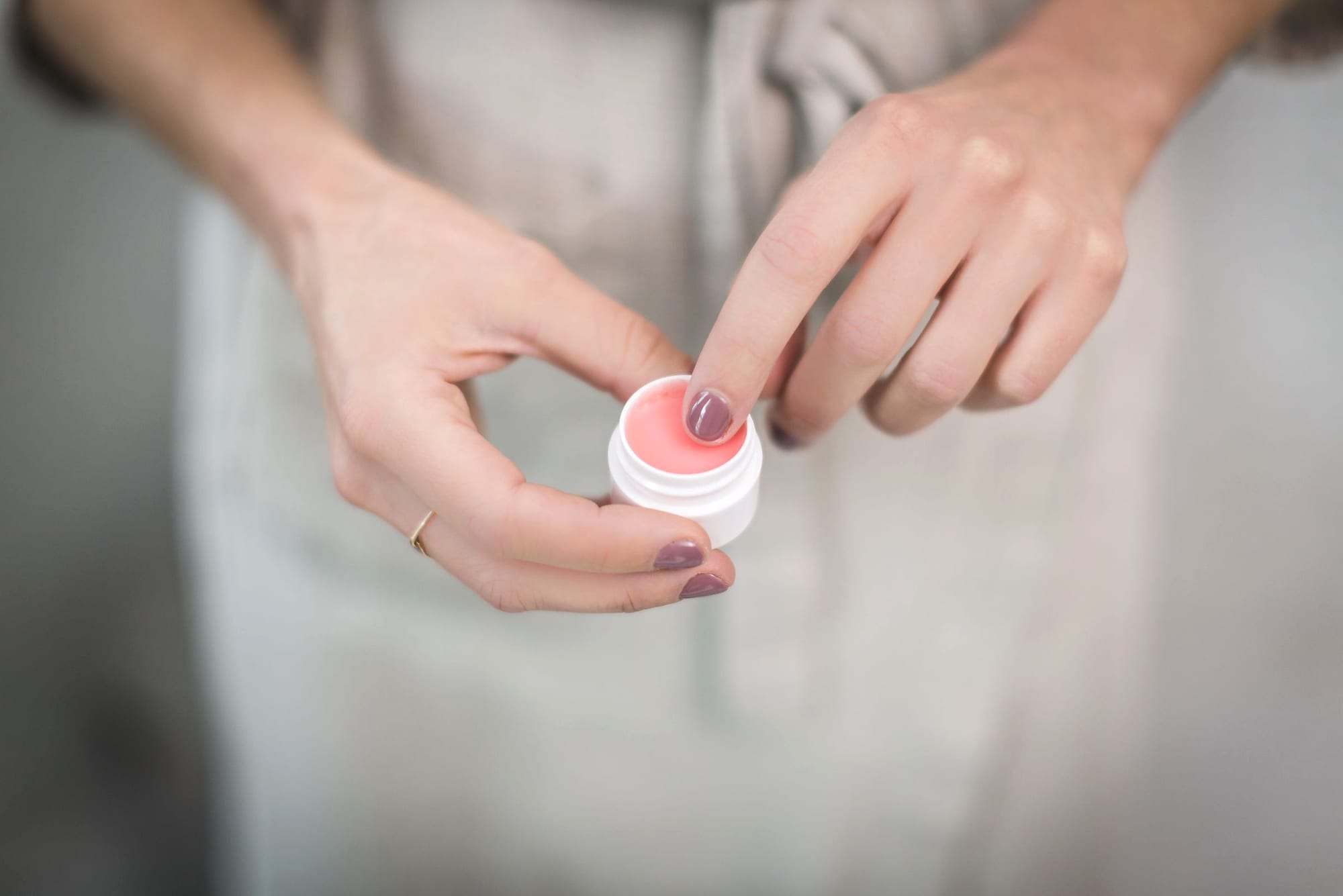
  • Hands opening a small jar of pink lip balm

    Guides

    Dry Lips: How to Hydrate Them Without Injections and What to Expect

    Lips dry out because their skin is very thin and has almost no oil glands, so it loses water easily. At home, an SPF lip balm, not biting them and very gentle exfoliation all help. In the salon, a lip hydration treatment with Dermapen and hydrating active ingredients leaves lips smoother, plumper-looking and with better colour, with no injections. It doesn't add volume: that's what a hyaluronic acid filler does, and it's a medical treatment.

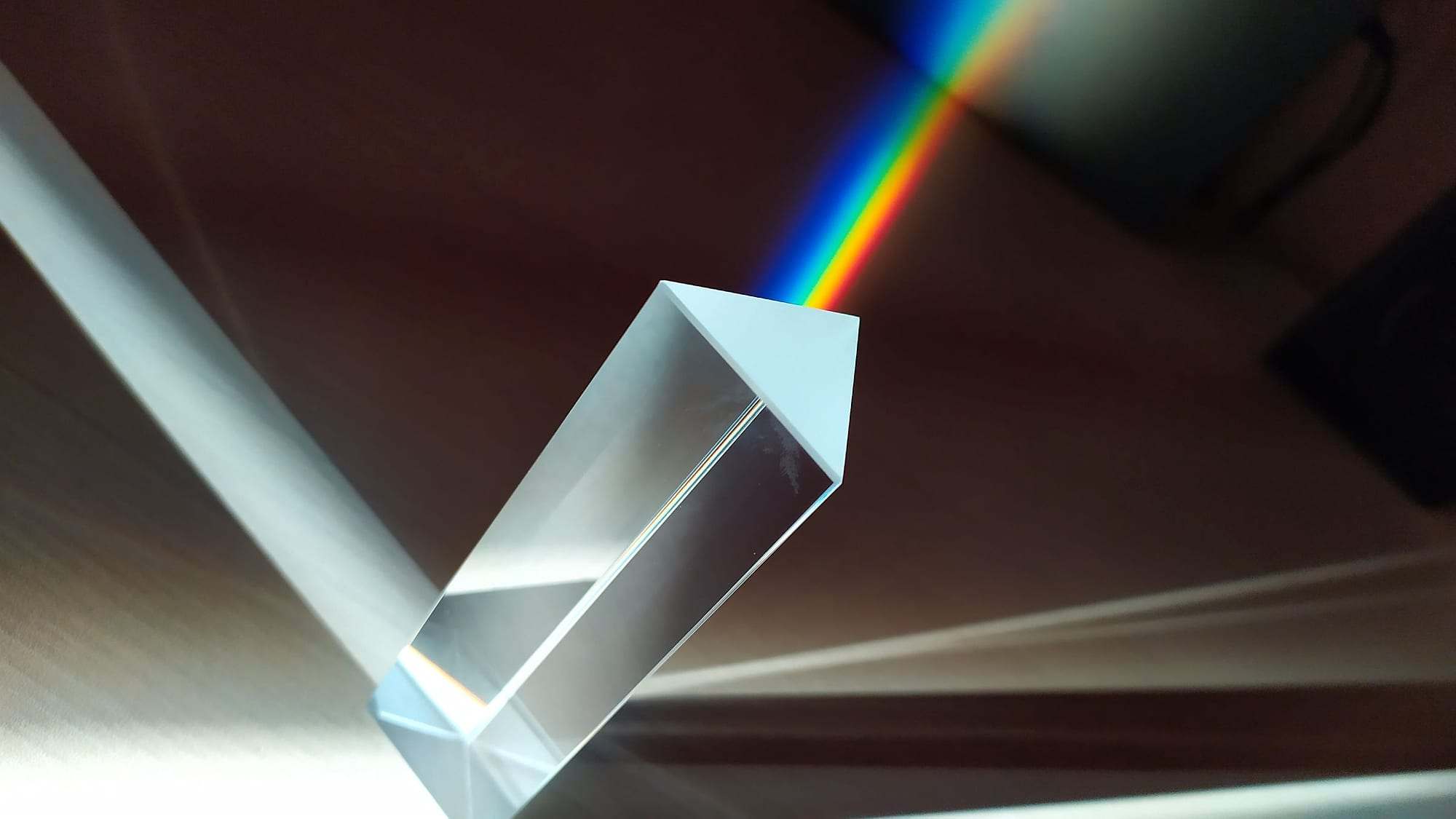
  • Glass prism splitting a beam of light into a rainbow

    Comparison

    Diode laser vs IPL vs alexandrite: the differences for hair removal

    Diode laser, alexandrite laser and intense pulsed light (IPL) all reduce hair by heating its pigment, but they aren't the same. The diode uses a single wavelength and is very versatile across skin types and areas; alexandrite performs especially well on fair skin and fine hair; IPL isn't a laser but broad-spectrum light, and depends heavily on the device. None of them works well on white or grey hair. How well it's set for your skin matters more than the label.

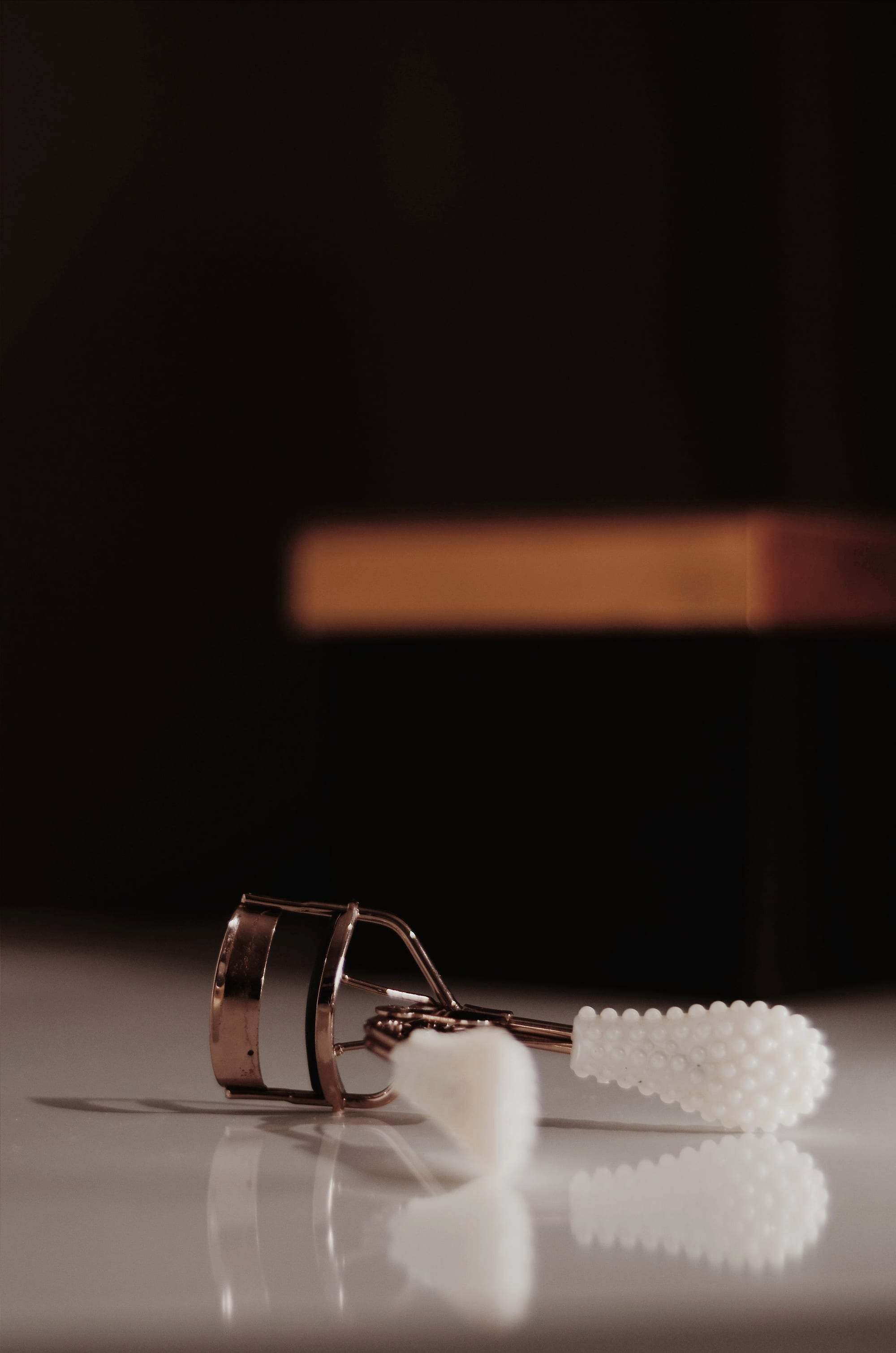
  • Eyelash curler resting on a glossy surface against a dark background

    Guides

    Lash Lift: How Long It Lasts, Aftercare and Who Shouldn't Have One

    A lash lift usually lasts between 6 and 8 weeks, because the curl holds until each treated lash falls out and is replaced by a new one. The first 24–48 hours make the biggest difference: keep your lashes dry, skip mascara and curlers and don't rub your eyes. It's best avoided if you have an eye infection, an allergy to the products, very damaged lashes or extensions in place.

  • Open planner next to a cup of coffee and dried flowers on light linen

    Guides

    How often should you get a facial? A guide by skin type

    As a guide, a professional deep cleansing facial every 4–6 weeks for oily or combination skin with blackheads, and every 2–3 months for normal or dry skin. Sensitive skin is happier with longer gaps and gentler options in between, such as an ultrasonic peel or a hydrotherapy facial. Having facials more often won't make your skin any cleaner; it can irritate it. The ideal frequency is fine-tuned by watching how your skin responds.

  • Red flower lit against a blue light background

    Guides

    LED Light Facials: What Each Colour Does and What to Really Expect

    An LED light facial applies low-intensity light in different colours to the face. In beauty treatments it's used as an add-on: red is associated with calm and radiance, blue with oilier skin, and amber or green with a more even tone. It doesn't heat the skin, has no downtime and isn't a substitute for dermatological treatment. It works best as a short course, alongside a good skincare routine.

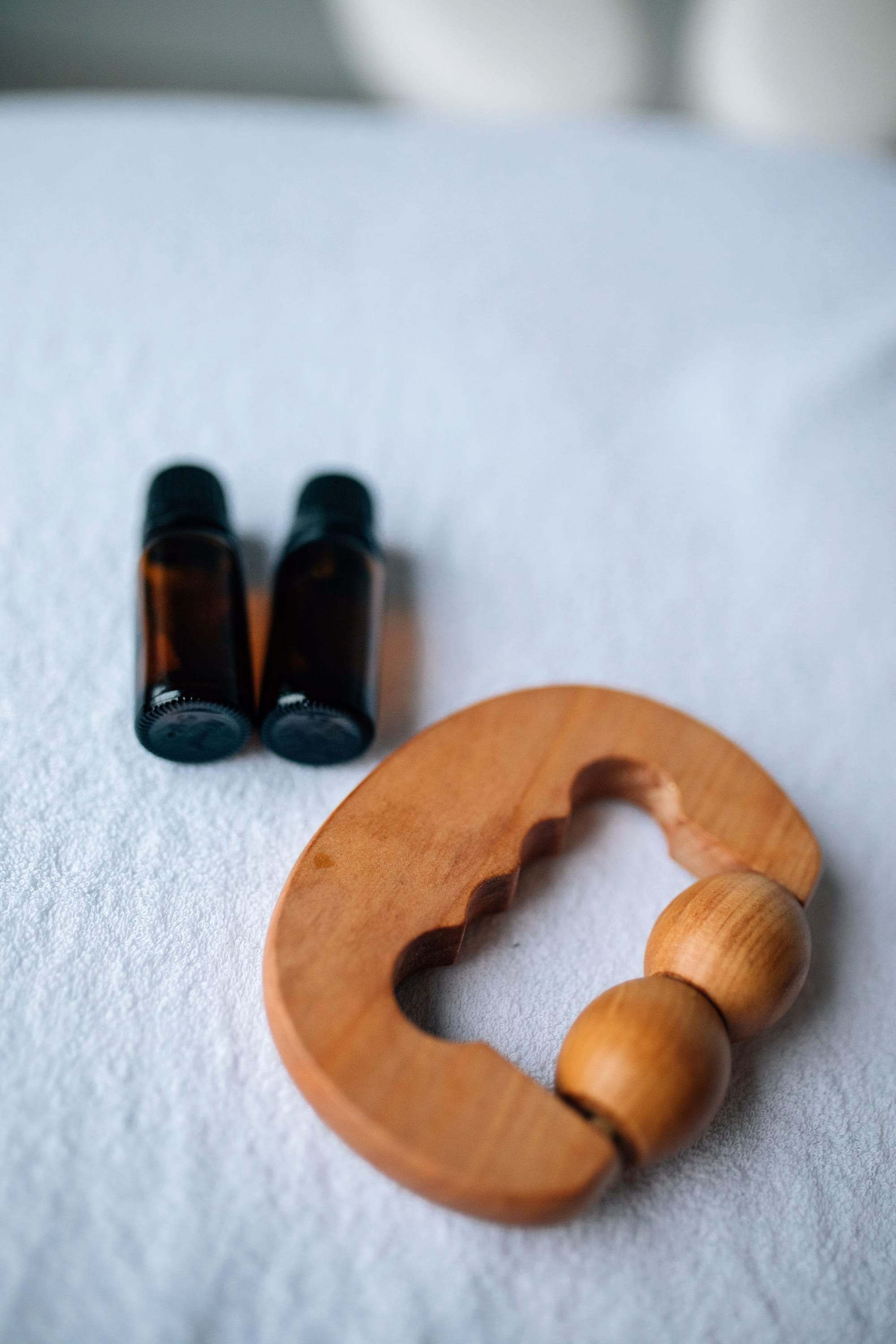
  • Wooden massage tool beside two essential oil bottles on a white towel

    Comparison

    Wood therapy or pressotherapy: the differences and which to choose

    Wood therapy is an intense, hands-on massage with wooden tools that aims to improve how the skin looks, including cellulite, and leave you feeling lighter. Pressotherapy is gentle sequential compression with air-filled boots; its effect is draining and it leaves the legs feeling lighter. If you're concerned about how your skin looks and can take firm pressure, choose wood therapy; if you want rest and lighter legs, pressotherapy. Many people combine them. Neither will make you lose weight.

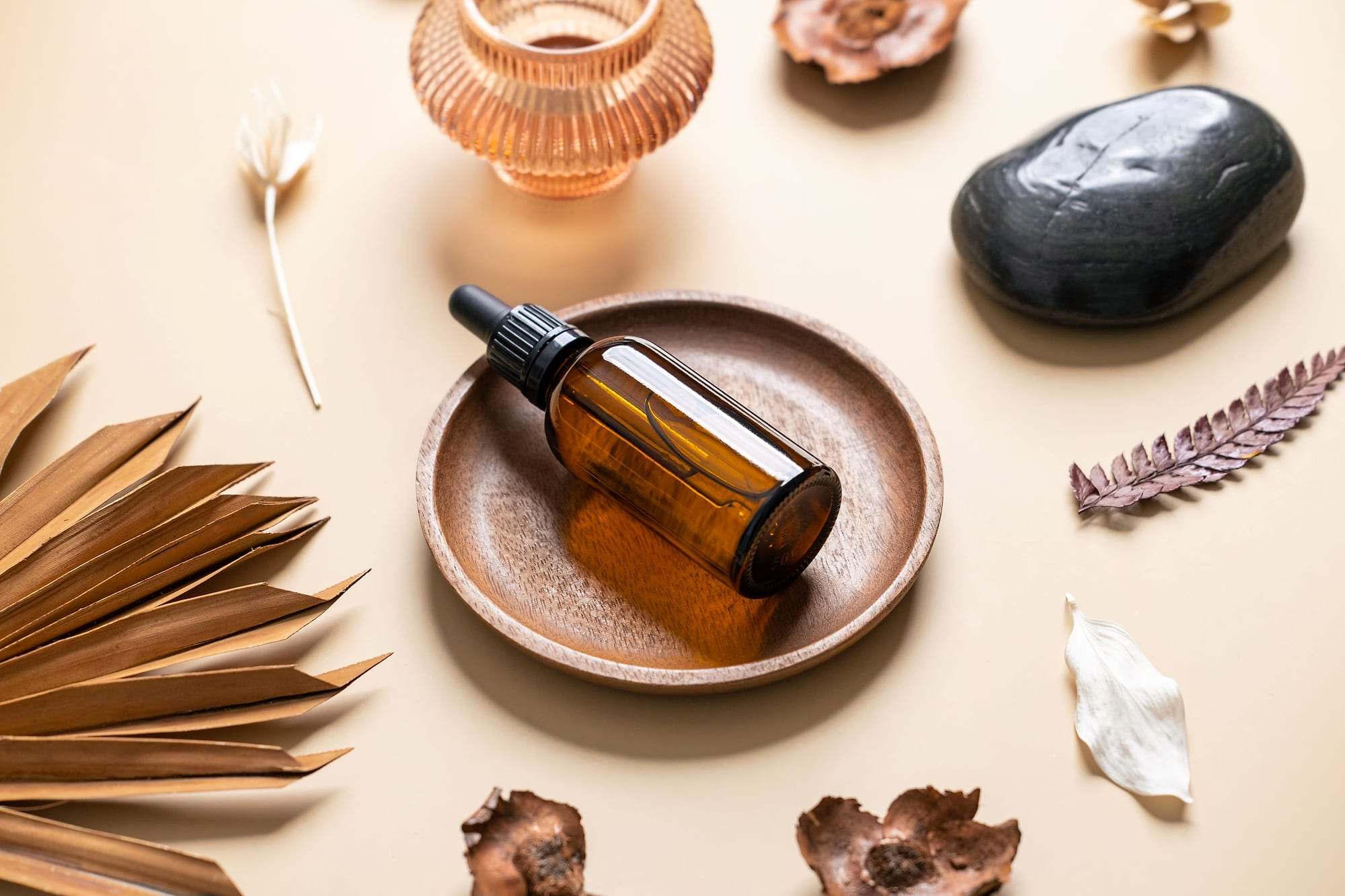
  • Massage oil bottle on a wooden dish with stones and dried leaves

    Comparison

    Relaxing or deep tissue massage: the differences and which to choose

    A relaxing massage uses slow, gentle, rhythmic strokes to help you switch off and unwind. A deep tissue massage applies firmer pressure to specific tight areas, such as the neck, shoulders and back, to release tension. If you want to stop and rest, choose relaxing; if your back feels tight, choose deep tissue. Both are wellbeing massages: for persistent or intense pain, or after an injury, the right person to see is a physiotherapist or your doctor.

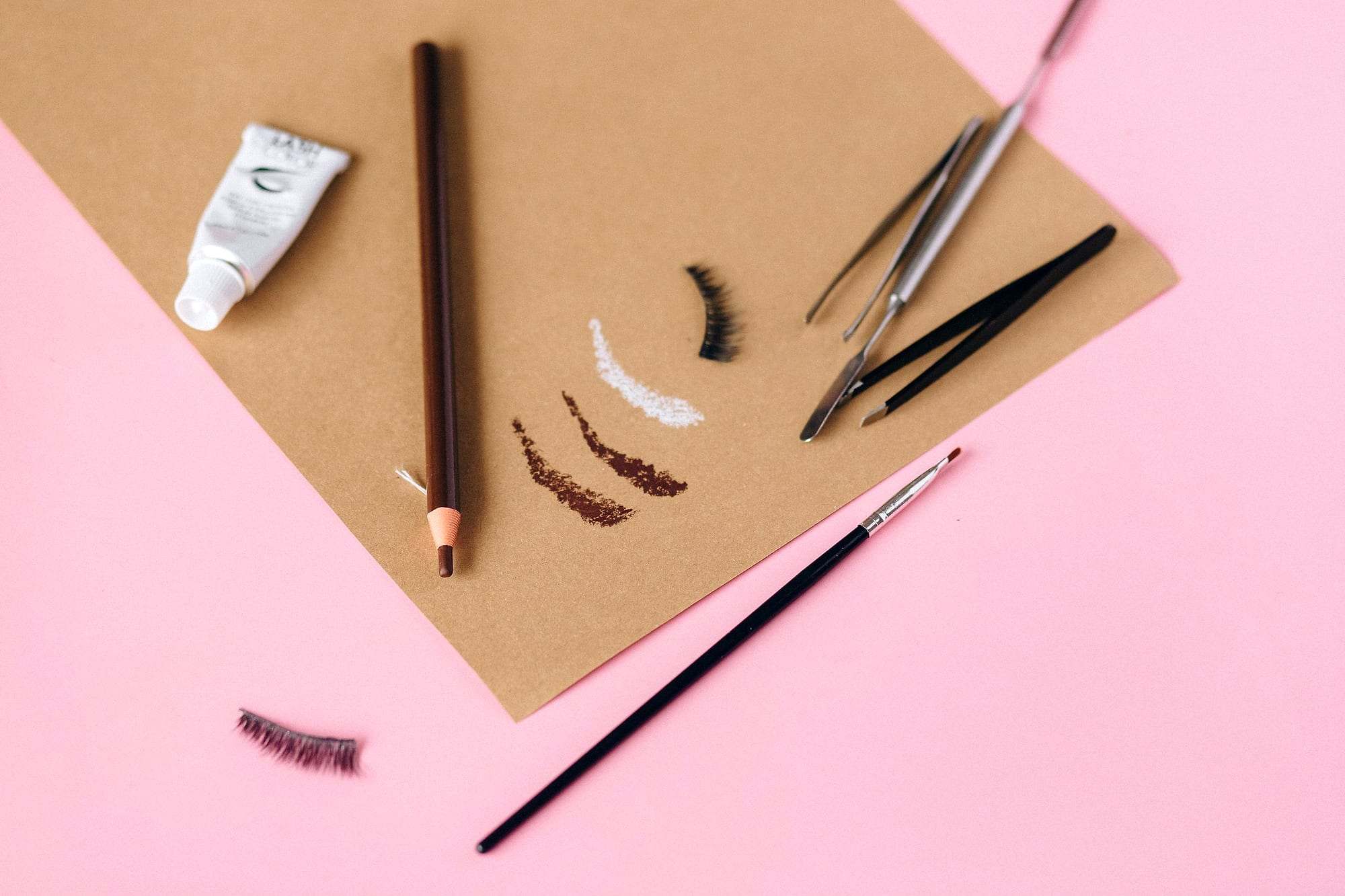
  • Eyebrow pencil, brushes, tweezers and brow colour swatches on kraft paper and a pink background

    Guides

    Eyebrow Microblading: What It Is, How Long It Lasts and What to Know First

    Microblading is a semi-permanent micropigmentation technique that hand-draws fine strokes to mimic brow hairs. It usually lasts 12 to 18 months, fading gradually, and needs a top-up at 4–8 weeks. The result depends on the design, the choice of pigment and your skin type: on very oily skin the strokes blur more. It isn't suitable during pregnancy or breastfeeding, if you're prone to keloids or if you take anticoagulants.

  • Relaxed legs resting on white bed sheets

    Guides

    Pressotherapy: what it is, how it works and how many sessions you need

    Pressotherapy is a non-invasive beauty treatment in which boots fitted with air chambers inflate and deflate in sections, from the feet upwards. It has a draining effect, leaving the legs feeling lighter and less heavy. A session lasts about 30 minutes and the effect of a single one is temporary; for something longer-lasting, a course of 5 to 10 sessions, once or twice a week, is usual. It won't help you lose weight or treat circulatory conditions, which are a medical matter.

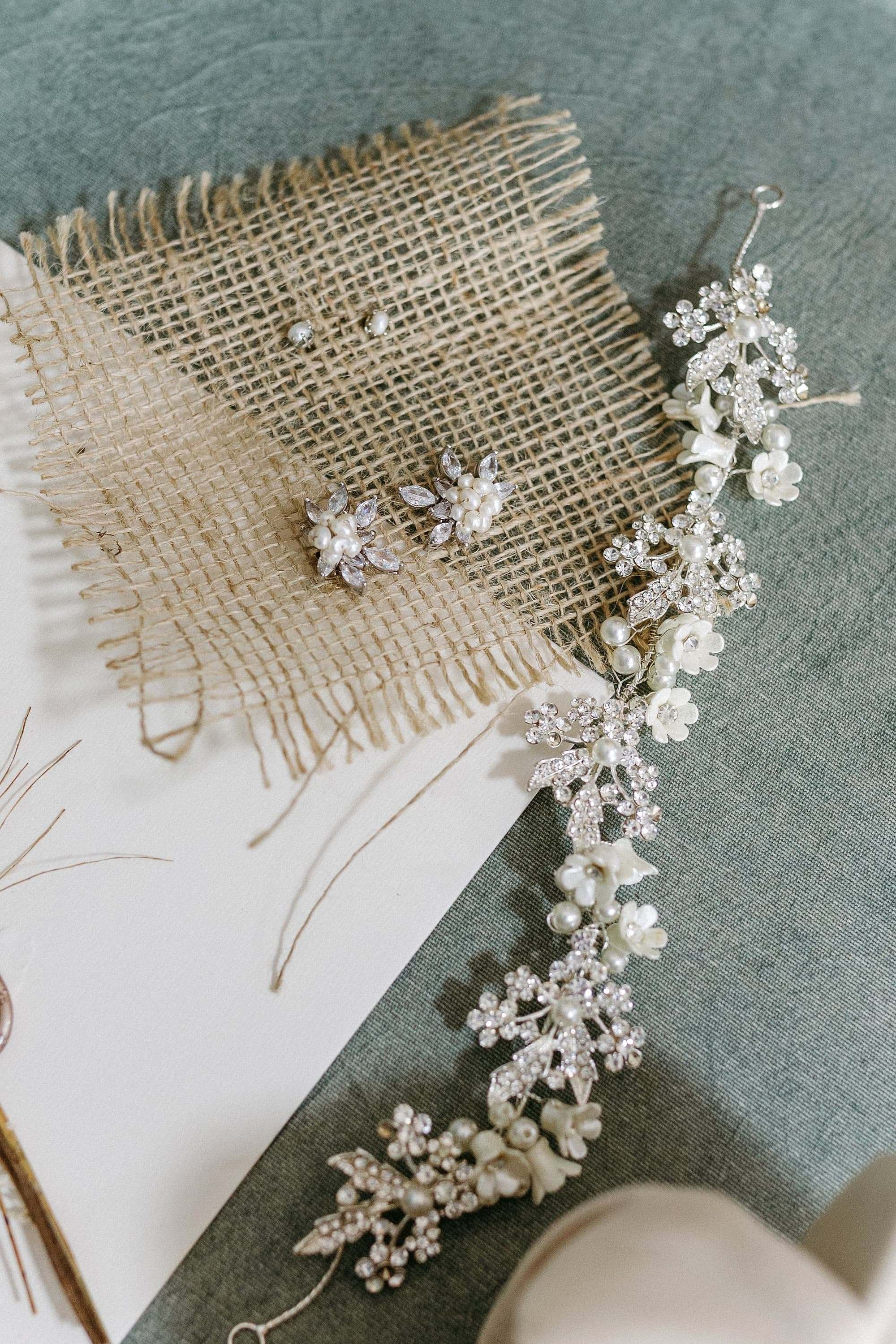
  • Bridal hairpiece with pearls and crystals on burlap and pale fabric

    Guides

    Bridal makeup trial: when to book it, what to bring and what to ask

    A bridal makeup trial is a session before the wedding in which your full wedding-day look is decided and tested. Ideally, book it one to two months before, once your dress and hairstyle are decided. Bring photos of your dress, your hairstyle and looks you love, arrive with a clean face and leave wearing the makeup to check how it lasts and how it photographs. On the wedding day, the agreed look is simply recreated.

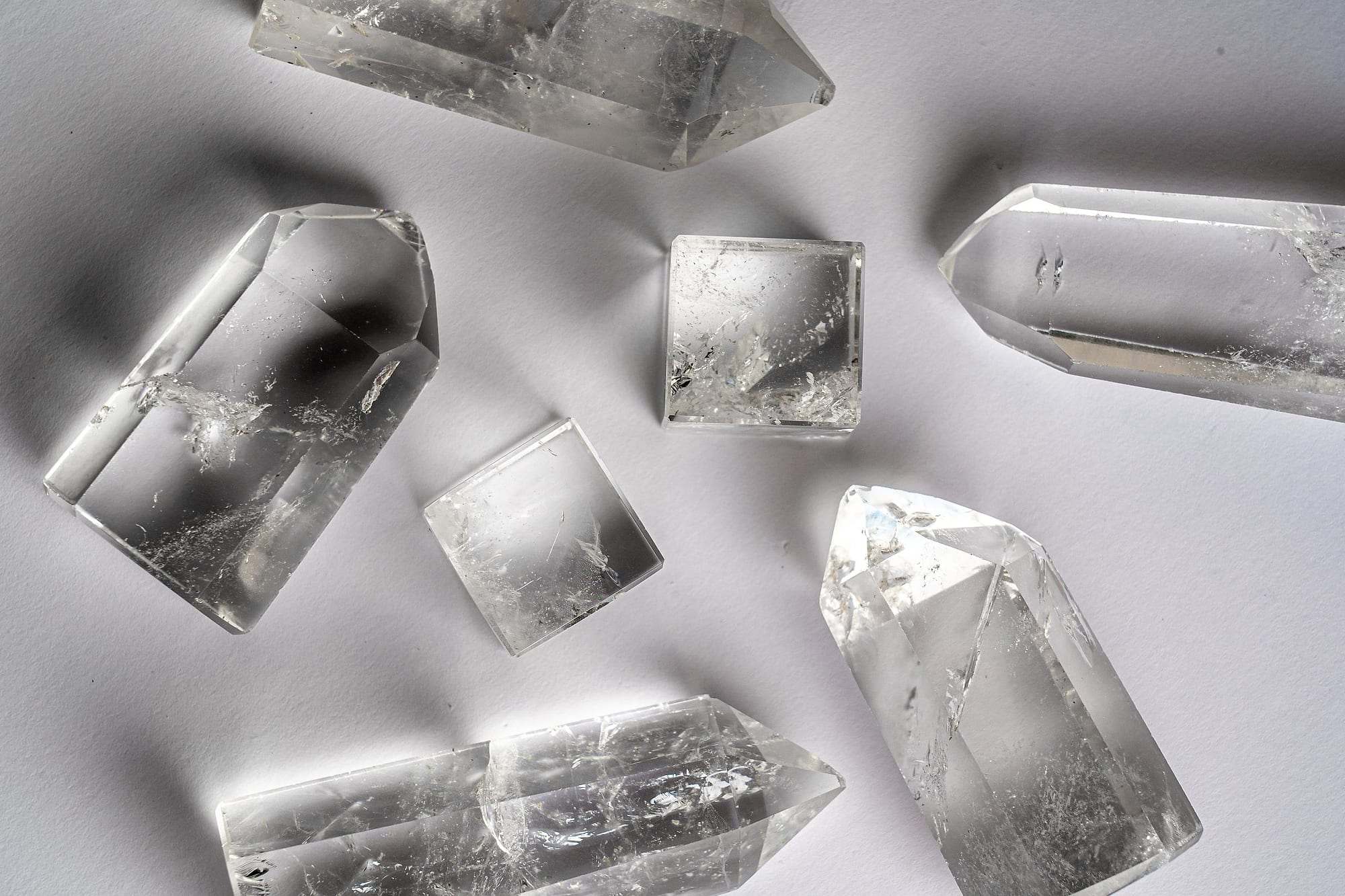
  • Clear quartz crystals on a white surface

    Guides

    Diamond microdermabrasion: what it is and what to expect

    Diamond microdermabrasion is a mechanical exfoliation: a diamond-coated head polishes the outermost layer of the skin while gentle suction lifts away the loosened cells. After one session, skin feels smoother and looks brighter; with a course of 4–6 sessions every 2–3 weeks, texture is refined more lastingly. It doesn't fill wrinkles or erase indented scars, and there's almost no downtime.

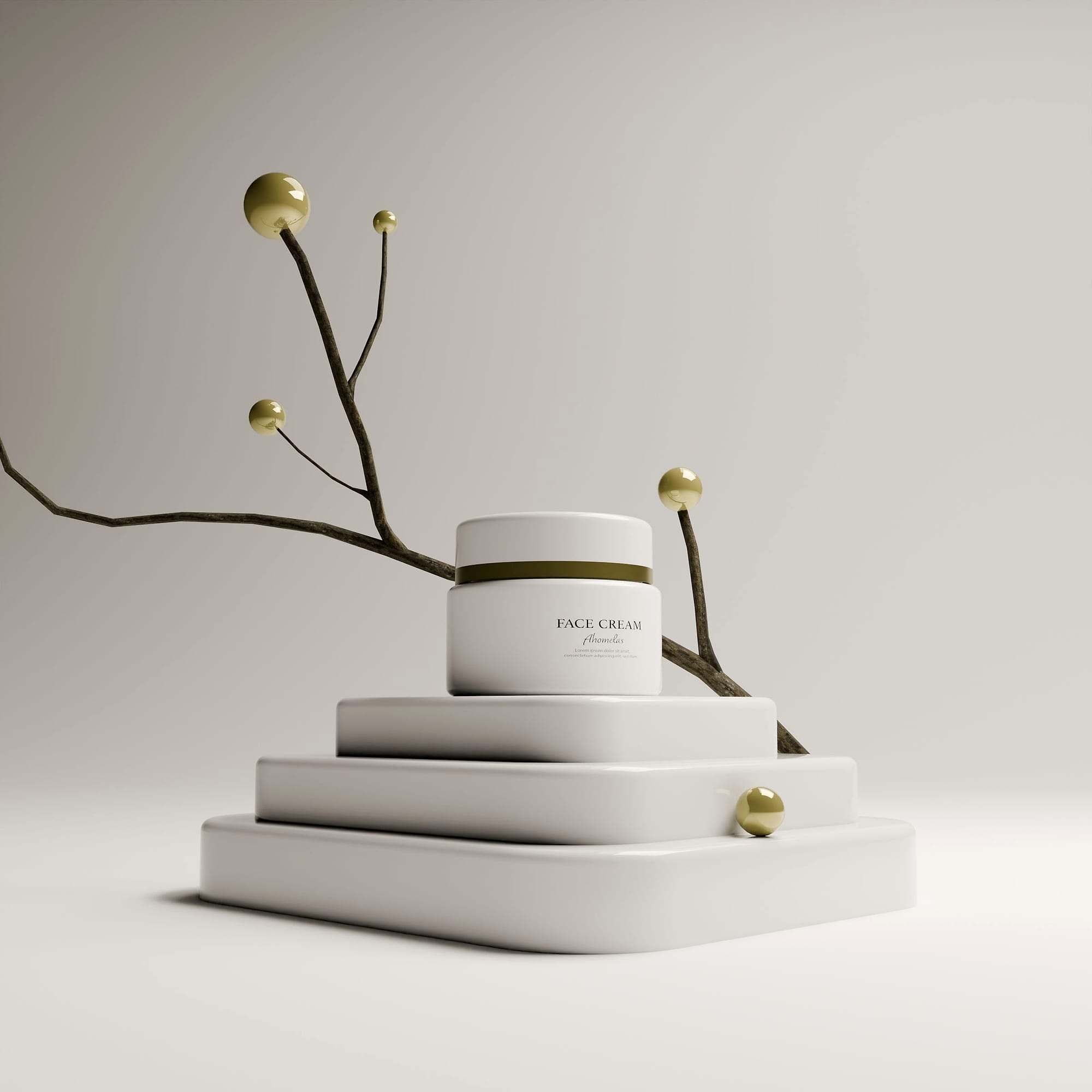
  • Face cream jar on stepped pedestals with a decorative branch

    Guides

    Radiofrequency Facials: What They Can and Can't Do for Your Skin

    A cosmetic radiofrequency facial gently heats the layers of the skin in a controlled way to support a firmer look and improve texture. What's realistic is smoother, tighter-feeling skin after a course of 6 to 10 sessions, followed by maintenance. It doesn't lift sagging tissue, fill folds or replace a facelift or medical treatment. It isn't suitable for people with a pacemaker, during pregnancy or with metal implants in the area.

  • Gift boxes tied with satin ribbons on a beige background

    Guides

    Wellness gift ideas in Málaga: spa rituals, massages and gift vouchers

    If you'd like to give the gift of wellbeing in Málaga, a gift voucher for a spa ritual or a massage at a beauty salon is a great choice. At Narumi, in Málaga city centre, you can give Beauty Day, Ritual Piel de Seda, Ritual Narumi or any treatment, with a voucher valid for 3 months, ordered on WhatsApp or at the salon. The recipient books their appointment whenever suits them.

  • White measuring tape curled on a neutral background

    Guides

    Non-invasive body contouring: what you can really expect

    Non-invasive body contouring covers beauty treatments with no surgery and no needles, such as firming devices, wood therapy and pressotherapy. Over a programme of sessions, they can gradually improve how the skin looks, how firm it feels and how light the legs feel. They won't make you lose weight, they can't promise specific dress sizes and they don't replace diet and exercise. Results vary from person to person, depending on their starting point and consistency.

  • White cream and scrub textures on a light background

    Guides

    Which Facial Should You Choose for Your Skin Type and Goals?

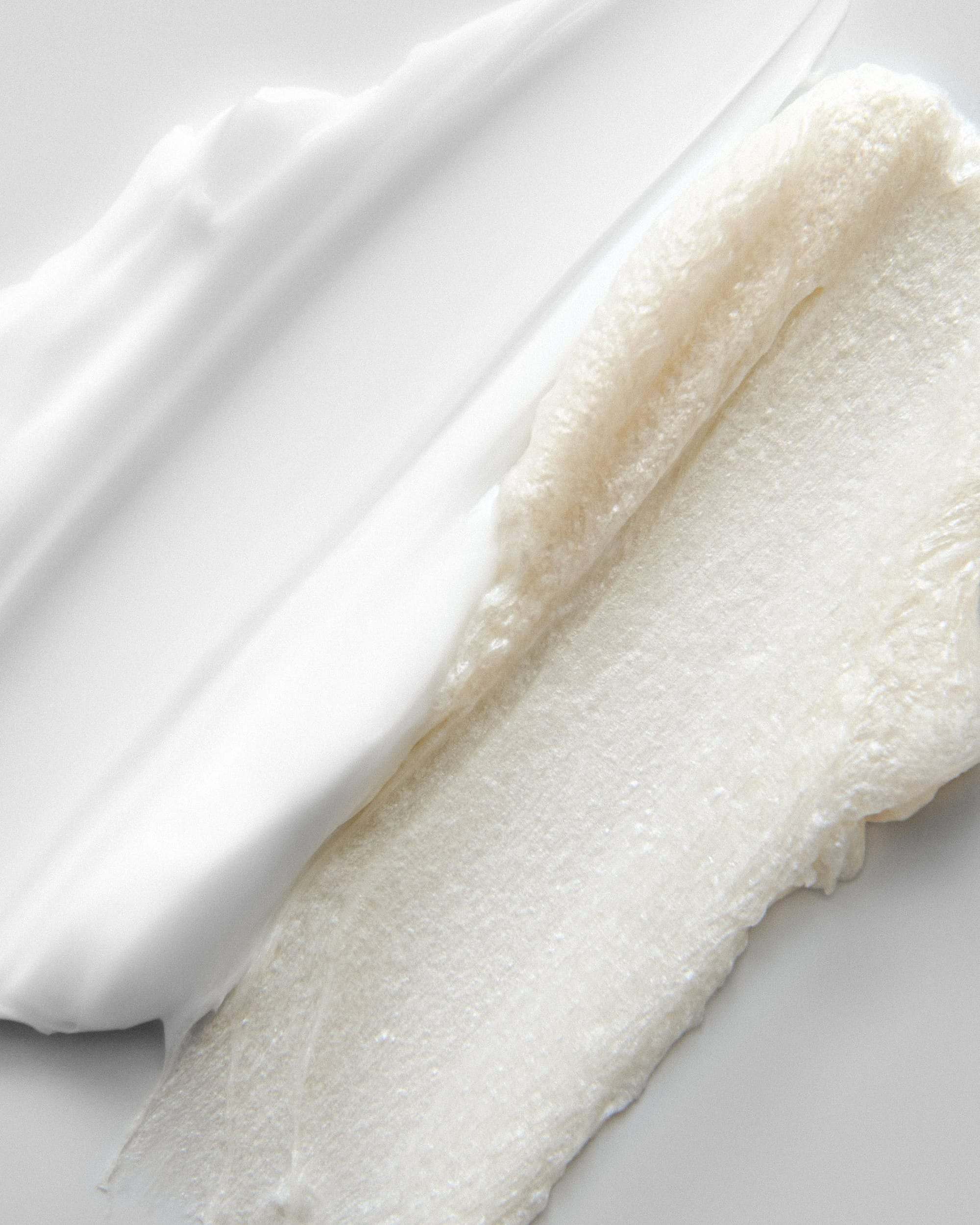
    To choose a facial, match your skin type with your main goal. Oily or combination skin with visible pores: a deep-cleansing facial or diamond microdermabrasion. Uneven texture or dull tone: a chemical peel or Dermapen. Dry or dehydrated skin: a hydrotherapy facial. Early loss of firmness: radiofrequency or the Bellaction Duo facial. For relaxation and radiance: Kobido or an LED light facial. Sensitive skin needs gentle techniques and an assessment first.

Make your decision with the facts

These guides grew out of the questions we’re asked every week at the salon. They’re written to help you understand each technique before you book: how it works, what results are realistic, how to prepare and what aftercare to follow. They also compare similar options, such as Dermapen versus a chemical peel or pressotherapy versus wood therapy, so you can see which one suits you.

They’re general information and are no substitute for a consultation in the treatment room or, where appropriate, the advice of your GP or dermatologist. If you still have questions after reading them, send us a WhatsApp and we’ll get back to you.

Cherry blossom branch casting soft shadows on fabric

Shall we talk about what you need?

Tell us what you'd like to improve and we'll recommend the option that genuinely makes sense for you, with a no-obligation initial consultation.

Send a message
Book an appointment

Your privacy

Settings