Guides · 5 min read
Relaxing or deep tissue massage: the differences and which to choose
By Marta Fernández · Updated
Relaxing or deep tissue? It’s the first question you’re asked when you book a massage, and it isn’t always easy to answer. Many people go for deep tissue because it sounds “more effective”, or relaxing because they’re worried it’ll hurt. The right choice depends on how you’re feeling when you arrive, not on which one sounds better.
The difference in a nutshell
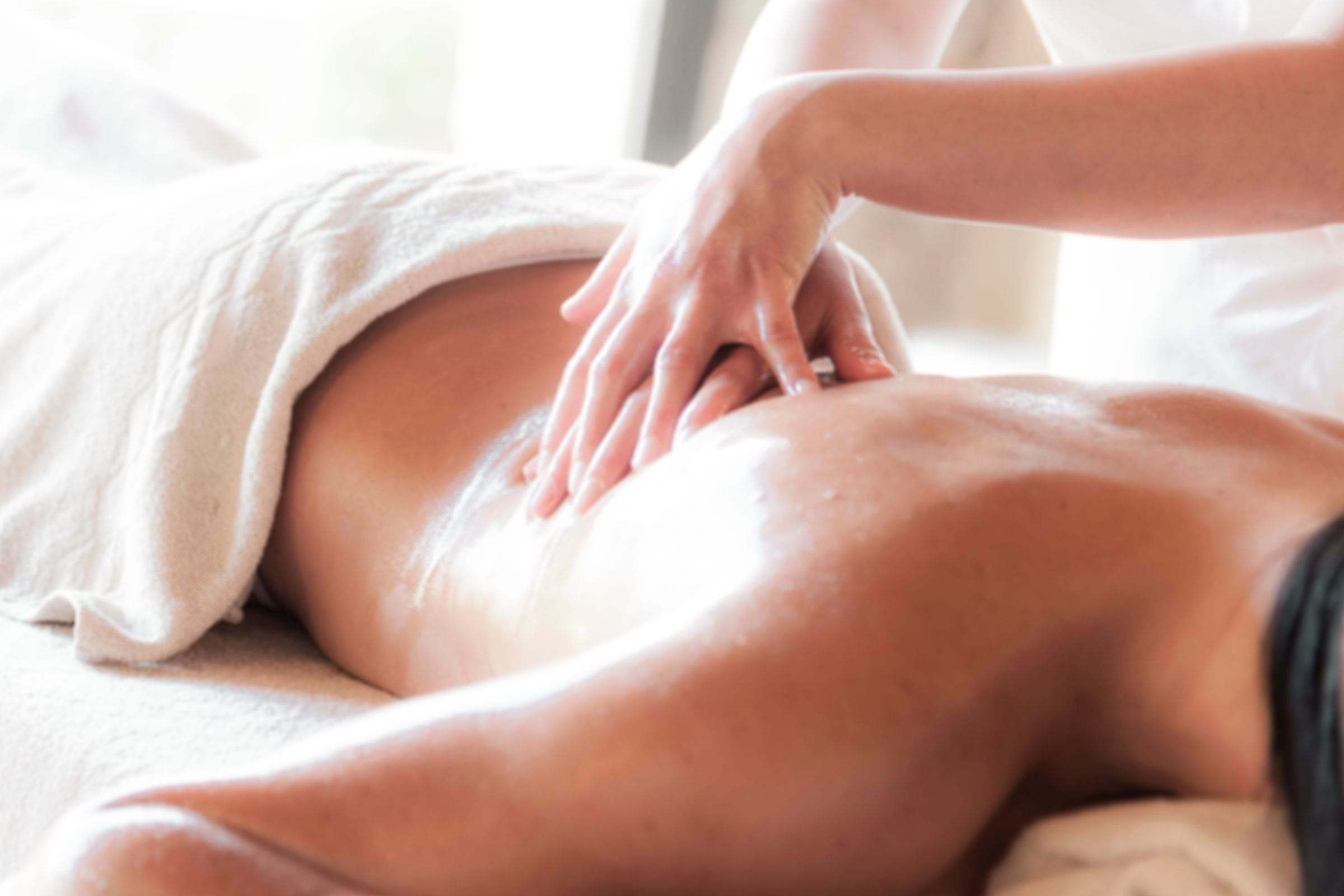
A relaxing massage is about helping you switch off. It uses long, slow, flowing strokes, with light to medium pressure and a steady rhythm. The aim is for your body and mind to wind down.
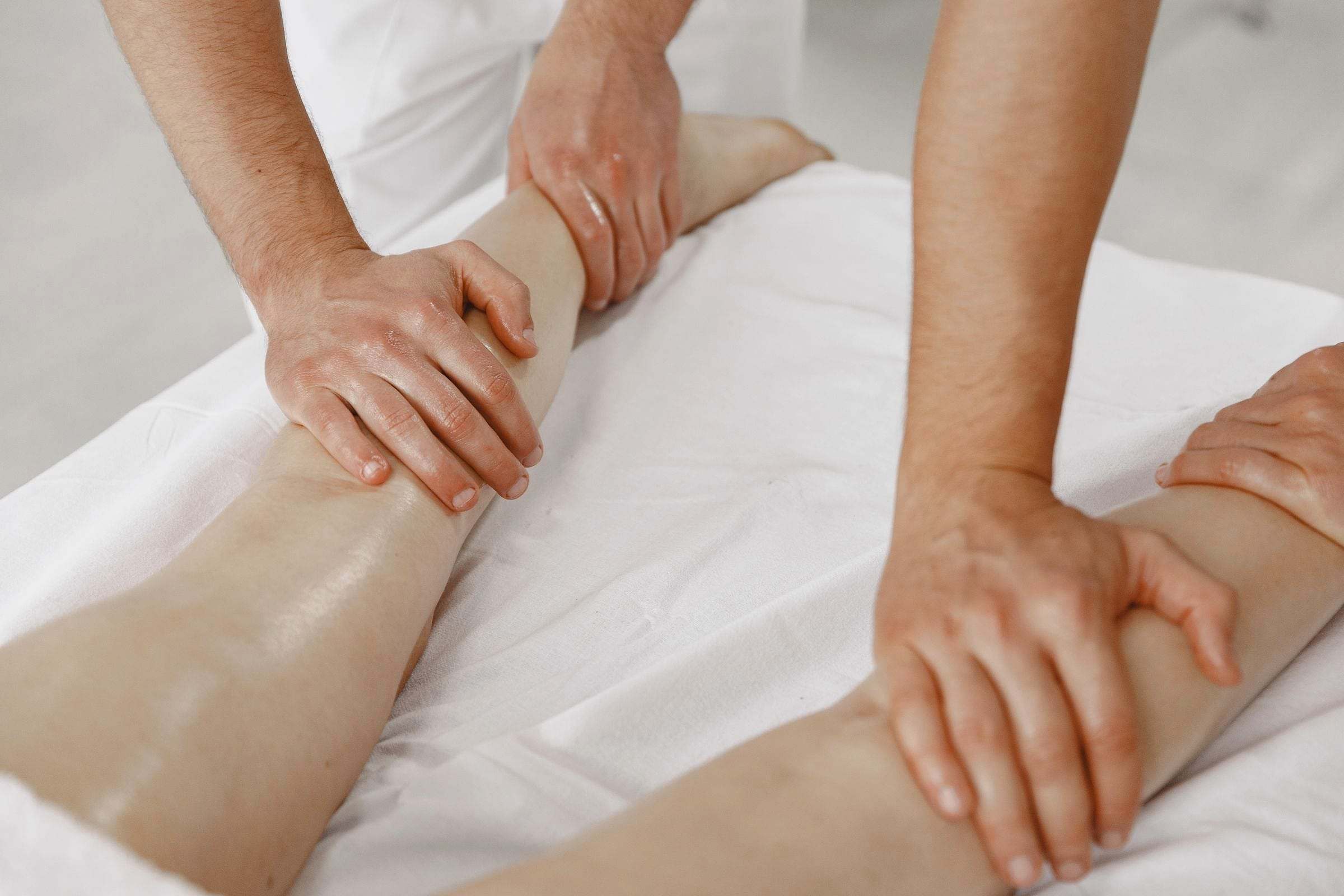
A deep tissue massage is about releasing built-up tension in specific areas. The pressure is firmer and the work more focused, especially on the neck, shoulders and back, which is where most of us carry the strain of everyday life.
Both are wellbeing massages. Neither replaces physiotherapy.
What a relaxing massage is like
In a relaxing massage, continuity is everything. The hands barely leave the skin and each stroke flows into the next without abrupt breaks. Oil or cream is used, and the pressure stays at a comfortable level.
It’s the massage to choose if:
- You’ve had weeks of stress and are finding it hard to switch off.
- You’re sleeping badly or reach the end of the week exhausted.
- You want to treat yourself to some calm, with no particular goal.
- It’s your first massage and you’d rather start gently.
Most people leave feeling a little drowsy, with a sense of calm that lasts for several hours.
What a deep tissue massage is like
In a deep tissue massage, the rhythm slows down where it needs to. The pressure is firmer and focuses on the spots where you feel the tension. The work is slower and more targeted, and the intensity is adjusted to what you’re comfortable with.
It’s the massage to choose if:
- You spend long hours at a computer and your shoulders creep up towards your ears.
- Your back feels tight after days of effort or poor posture.
- You notice tension in your neck at the end of the working day.
Afterwards it’s normal for the area to feel lighter and, in some cases, a little tender for a day or two, which settles on its own.
Side-by-side comparison
| Relaxing | Deep tissue | |
|---|---|---|
| What it’s for | Switching off | Releasing tension |
| Pressure | Light to medium | Medium to firm |
| Areas | Whole body | Targeted |
| How it feels | Calm, sleepy | Intense on specific spots |
| Afterwards | Relaxed | Lighter, a little tender |
| Recommended length | 60 minutes | 30 or 60 minutes |
What if I need both?
That’s the most common situation. Lots of people arrive stressed and with a tight back at the same time. In that case, the sensible approach is to start with gentle strokes to relax you, work with more pressure on the tight areas and finish with a slow rhythm again. You don’t need to pick a label: just tell us how you’re feeling.
When a massage isn’t what you need
This part matters. A wellbeing massage isn’t the answer if:
- The pain has lasted for weeks or is getting worse.
- The pain spreads down an arm or leg, or you notice tingling.
- It started after a knock, a fall or a specific strain.
- It limits your movement or wakes you at night.
- You have a fever, an infection or a recent injury.
In these cases, the right person to see is a physiotherapist or your doctor. A good beauty centre will tell you so before laying a hand on you.
30 or 60 minutes
The length changes the experience. Half an hour is enough to work thoroughly on the back, neck and shoulders, and fits nicely into a lunch break. An hour lets you work on the whole body and, above all, gives relaxation time to arrive: for the first few minutes, your body is still “out on the street”.
As a rule of thumb: for a focused deep tissue massage, 30 minutes may be enough; for a relaxing massage or your first time, the hour is better.
How to arrive for your massage
A few simple things help you get the most from your session:
- Avoid a heavy meal just beforehand. Lying face down on a full stomach isn’t comfortable.
- Arrive a few minutes early. Rushing in delays relaxation.
- Mention what matters. Areas that bother you, allergies to oils or creams, pregnancy or any health issue.
- Ask for what you need during the session. More or less pressure, more warmth, less chat. It’s your time.
And afterwards, if you can, don’t rush off: drink some water and let the effect last.
Combinations worth trying
If you enjoy massage, a couple of combinations round it off nicely:
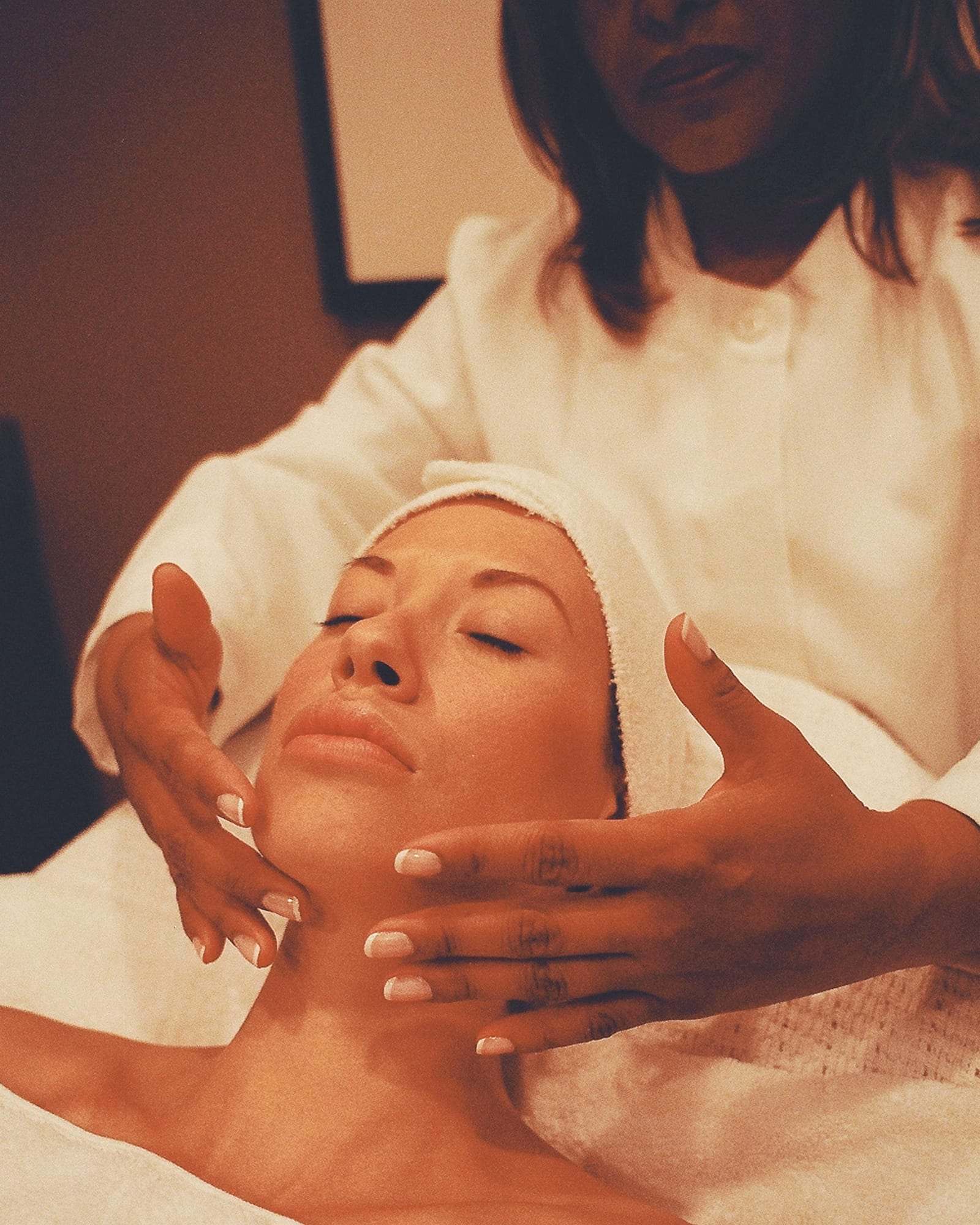
- Massage and Kobido. Kobido is a Japanese facial massage that relaxes the face and leaves it looking more rested. Together, they take care of body and face.
- Massage and pressotherapy. If your legs also feel heavy, pressotherapy adds lightness while you rest.
At Narumi
At Narumi, a beauty centre in Málaga city centre, Marta Fernández offers 30- and 60-minute relaxing and deep tissue massages in a treatment room with a Japanese mural of Mount Fuji, a pagoda and cherry blossom. Before she starts, she asks how you’re feeling and adapts the session; if something needs a physiotherapist’s attention, she’ll tell you.
- Massage in Málaga: relaxing and deep tissue, 30 or 60 minutes.
- Kobido in Málaga: the Japanese facial massage, on its own or as part of the Ritual Narumi.
- Pressotherapy in Málaga: to add lighter legs.
You’ll find us at Calle Cristo de la Epidemia 33, a few minutes’ walk from the historic centre and La Victoria. Book by WhatsApp or phone on +34 611 500 328. Sessions are in Spanish, but message us on WhatsApp and we’ll do our best to help. If it’s a present, you can also give it as a gift voucher.
| Relaxing massage | Deep tissue massage | |
|---|---|---|
| Goal | Switch off and rest | Release tension in tight areas |
| Pressure | Light to medium | Medium to firm, adjusted to you |
| Rhythm | Slow and continuous | Slower on specific points |
| Areas | Full body or back | Neck, shoulders, back |
| How you feel afterwards | Sleepy, calm | Lighter; sometimes a little tender for a day or two |
| Ideal if | Your head is full | Your shoulders are up round your ears |
Frequently asked questions
Which massage is best for stress?
A relaxing massage, because it's designed precisely to help you unwind: slow strokes, gentle pressure and a steady rhythm. If your stress also builds up in your neck and shoulders, you can ask us to combine both approaches in the same session.
Does a deep tissue massage get rid of knots?
A wellbeing massage helps release everyday muscle tension, but it doesn't treat persistent knots or injuries. If the pain lasts for weeks, limits your movement, spreads or started after a knock or fall, see a physiotherapist or your doctor.
Is it normal for a deep tissue massage to hurt?
It's normal to feel intense pressure on tight spots, but it should be bearable. A massage doesn't have to hurt to do you good. If at any point it feels unpleasant, say so: the pressure can be adjusted there and then.
30 or 60 minutes?
In 30 minutes you can work properly on one area, usually the back, neck and shoulders. With 60 there's time for the whole body and for relaxation to really set in. For a focused deep tissue massage, half an hour may be enough; for a relaxing one, you'll get more from the full hour.
How often should I have a massage?
There's no set frequency. Some people come every week during busy spells, others once a month as part of their self-care routine. What matters is listening to how you feel and not waiting until you're at breaking point.